
Creating a Sustainable Water Supply System in Developing Regions
Witness the prosperous journey as we create sustainable water supply systems in developing regions. Join Fairaction to sponsor a smart water management system!
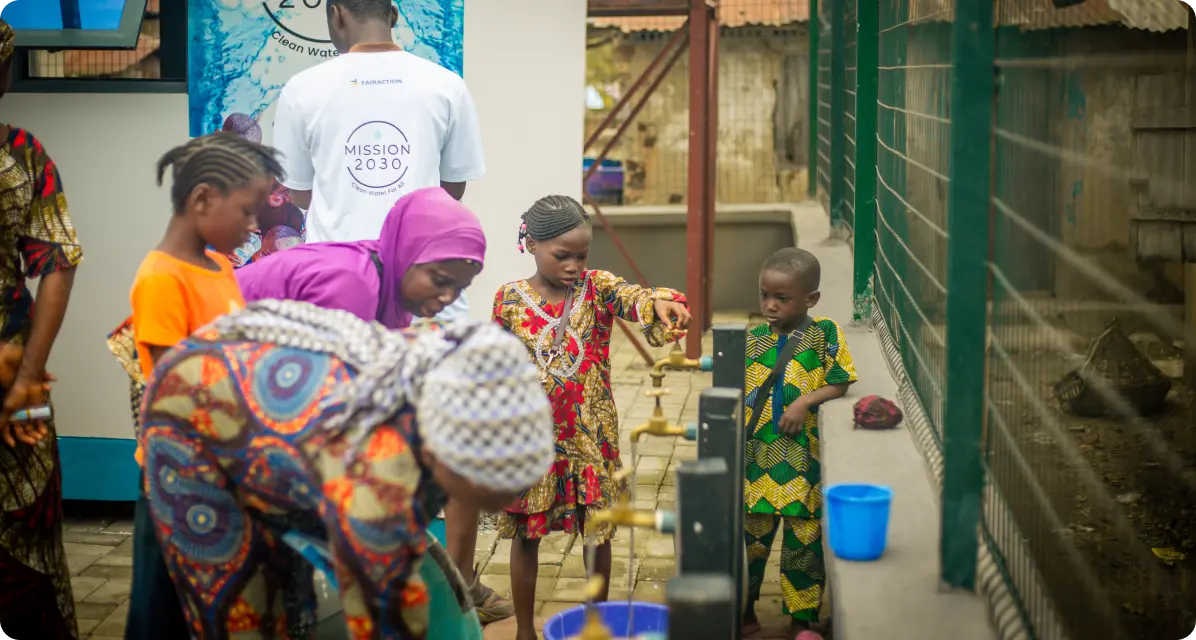
Building a long-term solution to water scarcity in developing regions requires a holistic approach that accounts for not only the immediate need for clean water, but also the socio-economic, environmental, and technical factors that contribute to the system's sustainability. This blog will explore the key strategies needed to create a sustainable water supply system in these vulnerable areas.
The Developing Regions
Developing regions are nations where living standards, income levels, economic opportunities, and industrial growth are generally below global averages. According to the International Monetary Fund (IMF), there are 152 such countries, representing a combined population of approximately 6.87 billion people. This accounts for 85.53 percent of the world’s population and includes the entire African continent and all states within Nigeria.
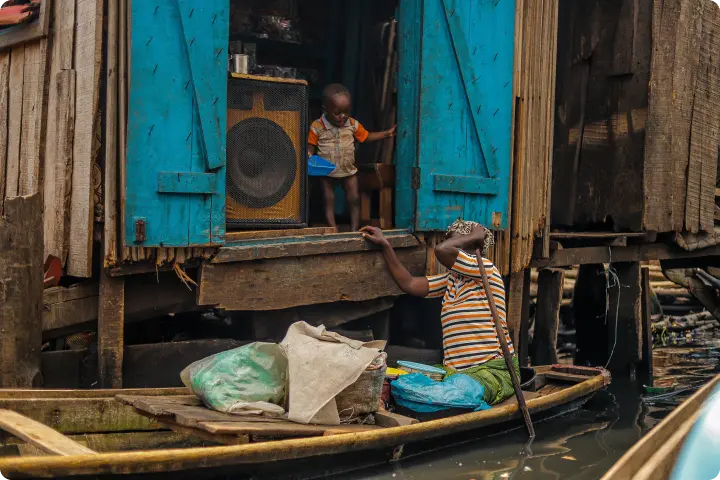
When you carry your own water, you come to truly appreciate the value of each drop.
— Unknown
Why Are Sustainable Water Supply Systems a Must in Developing Regions?
Water supply systems play a critical role in providing, distributing, and monitoring services to address the challenges of water scarcity, pollution, flooding, and mismanagement, especially in developing countries where they are often unaffordable or non-existent. These systems are essential for delivering reliable, safe, affordable, and sustainable water services. Despite significant investments in water infrastructure, only 67% of the Nigerian population has access to basic water services, leaving a stark 33% underserved and emphasizing the significant unmet demand for sustainable access to clean drinking water. Additionally, about 47% of water points are non-operational.
This problem is particularly severe in rural areas where 58 percent of water projects fail within two years of implementation, as our research has shown. This contributes to a high incidence of waterborne diseases, undermines smallholder farmers' livelihoods, and hampers school enrolment rates, particularly for girls. Through partnerships with local governments and the private sector, Fairaction is expanding access to safe water and ensuring the long-term sustainability of these services in underserved rural communities.
The Process of Creating Sustainable Water Solutions at Fairaction?
We believe water should be easy to get for everyone. With this vision in mind, the Fairaction team is dedicated to making sustainable water systems to bring water to every corner of developing regions. Here is how we create these smart water solutions:
1. Understanding the Local Context: A Foundation for Sustainability
The first and most critical step in creating a sustainable water supply system is to understand the local community's specific needs, challenges, and resources. Every region is unique, and a one-size-fits-all approach will likely fail. Factors like geography, climate, available water sources, and cultural practices, including existing frameworks and policies, must be carefully considered when designing a practicable and sustainable system.
In our studied communities, over 58% of water facilities are non-functional due to overlapping projects, which have turned communities into graveyards for water facilities. Furthermore, an estimated 40% of new water projects fail within two years, revealing the unsustainable nature of solutions provided by governments and NGOs.
Additionally, it is crucial to involve local stakeholders in the planning process. Engaging community leaders, residents, and local governments helps to build trust and ensures that the water supply system aligns with the community’s needs and priorities. This participatory approach fosters a sense of ownership, increasing the likelihood that the system will be maintained and supported long after the initial installation.
Understanding the local context should not be a static activity, as circumstances evolve over time. Approaches for assessing and analyzing communities must be regularly updated and improved. At Fairaction, we have established a multi-stakeholder coordination mechanism within local communities, which has enhanced alignment, promoted open dialogue, and ensured that evidence-based actions are effectively scaled.

"Life depends on water, but the reservoir depends on us."
— Anonymous
2. Designing and Planning: Balancing Cost and Efficiency
In many developing regions, one of the main barriers to creating sustainable water systems is the cost of technology and infrastructure. High-tech solutions that work well in developed countries may not be suitable for rural or low-income areas due to high costs, technical complexity, or a lack of skilled operators. Instead, it’s important to focus on appropriate technologies that are affordable, easy to maintain, and effective in the local context.
Water provision and pollutant removal infrastructure must be tailored to the local context, the facility’s scale, and the type of services provided. Developing an infrastructure plan helps define the scope of work and estimate costs. A cost analysis can also evaluate the benefits of new water infrastructure compared to the expenses associated with inadequate systems.
Even in communities equipped with advanced water infrastructure, these systems can quickly deteriorate without adequate staffing, funding, and maintenance frameworks. Sustaining operations, particularly in rural areas, requires resources (e.g., for powering pumps), reliable supply chains, and skilled personnel. This is why our smart water infrastructure includes provisions for ongoing operation and maintenance, ensuring its long-term functionality.
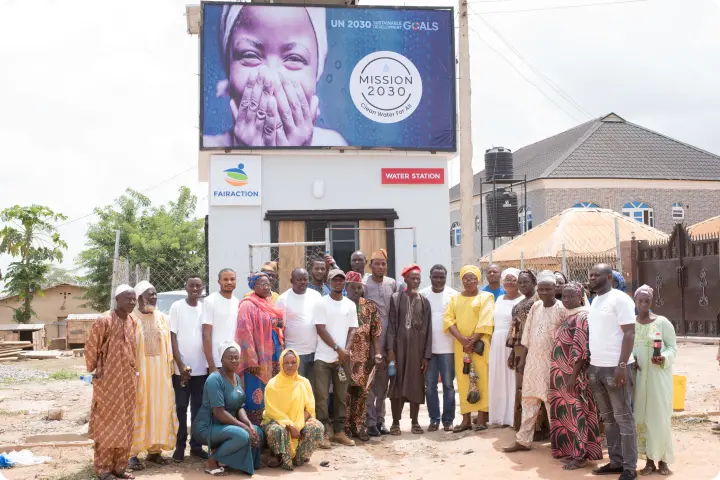
“When the well is dry, we will know the worth of water."
– Benjamin Franklin
3. Developing Financial Models: User Fee for Infrastructure Longevity
A sustainable water supply system must be financially sustainable to ensure its long-term operation. This means that the system should not rely entirely on external funding, which may be inconsistent or temporary. Instead, water projects should be designed to generate enough income to cover the costs of maintenance and repairs over time.
A common strategy is the establishment of a community-managed water kiosk using a pay-per-use system, which we refer to as Revenue Water. In this model, users pay a nominal fee to access clean water, with the revenue reinvested into maintaining the system. The fees are designed to be affordable for community members while still covering operational expenses. Additionally, in certain cases, we offer water credits to support the most vulnerable households, ensuring that financial limitations do not prevent anyone from accessing safe water.
At Fairaction, we prioritize community involvement by empowering members to set user fees based on their financial capacity. We understand that maintaining affordable fees is essential for the communities we serve and are committed to continually refining the fee structure. This approach ensures that our user fees remain aligned with community preferences and evolving usage patterns.
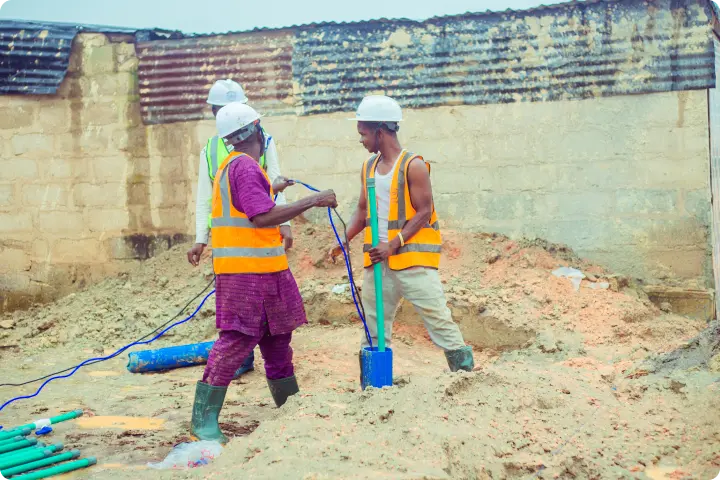
"Thousands have lived without love, not one without water."
– W. H. Auden
4. Training and Capacity Building: Ensuring Local Ownership
A sustainable water supply system is only possible if local communities have the knowledge and capacity to operate and maintain it. Far too often, water projects fail because the local population is not adequately trained in system upkeep or repairs. To prevent this, capacity building must be a core part of any water supply initiative.
Training should encompass the technical skills needed to maintain water infrastructure, including leak repairs, water storage tank cleaning, pump maintenance, and sustainable water management practices. It should also provide instruction on basic bookkeeping, treatment management, and conservation practices to promote the efficient use of community resources.
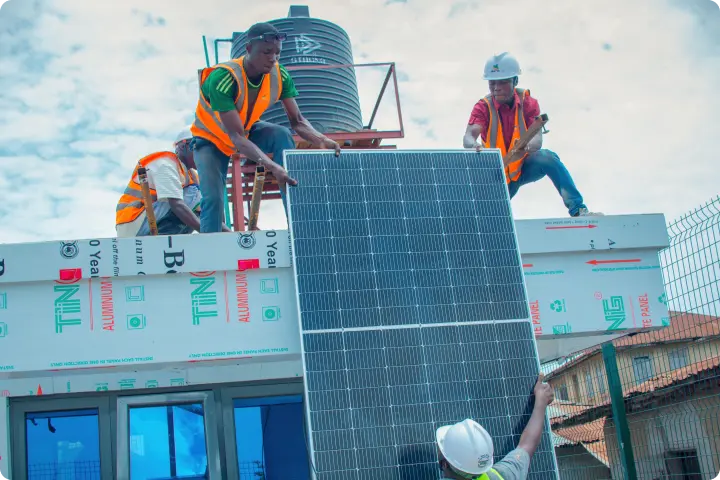
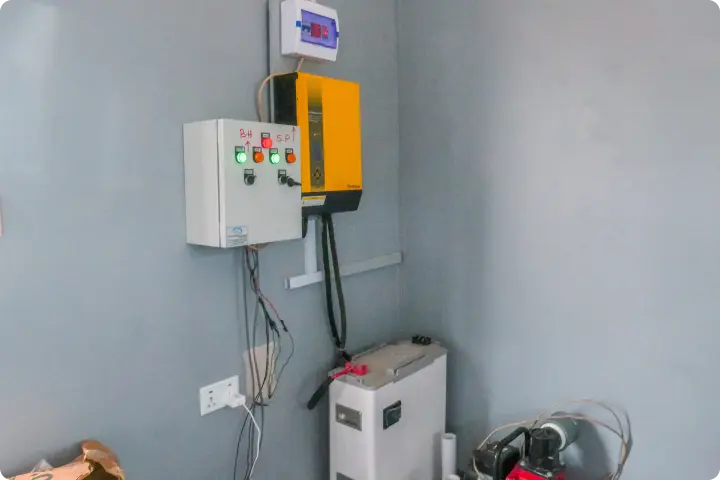
Well-trained and adequately supported community members are crucial to ensuring that water systems operate effectively and can respond to challenges promptly. Our solar-powered boreholes, integrated with IoT-enabled Smart Water Kiosks, empower kiosk attendants and technicians to identify and prioritize risks and implement responsive maintenance action plans.
"We never know the worth of water till the well is dry."
– Thomas Fuller
5. Monitoring and Data Review: Sure Roadmap to Adaptation
Finally, creating a sustainable water supply system requires ongoing monitoring and the ability to adapt to changing circumstances. Overlapping water projects by aid providers, population growth, climate change, and shifting environmental conditions can all affect water availability and demand, so it’s crucial to have mechanisms in place to monitor these changes and respond accordingly.
Our water infrastructure demonstrates how smart water technologies, such as sensors that track water flow and quality, can help communities and water charities monitor the system in real time. If water levels drop or contamination is detected, these technologies can alert local managers to take corrective action before the issue becomes critical.
At Fairaction, we prioritize regular maintenance schedules, combined with community-based monitoring through kiosk attendants and water committees, ensuring that problems are identified and addressed quickly for sustainable water use. We also encourage community members to report issues and participate in decision-making about sustainable water management, creating a feedback loop that keeps the system responsive to their needs.
"Water is the mother of all life."
– Traditional Saying