
From Nigeria
A validated model
9+ years of iterative research, built into a framework for safe and sustainable water solutions9.
Our mission in Australia
We are an Australian charity with a proven method for delivering safe, sustainable drinking water.
The challenge
The overarching issue
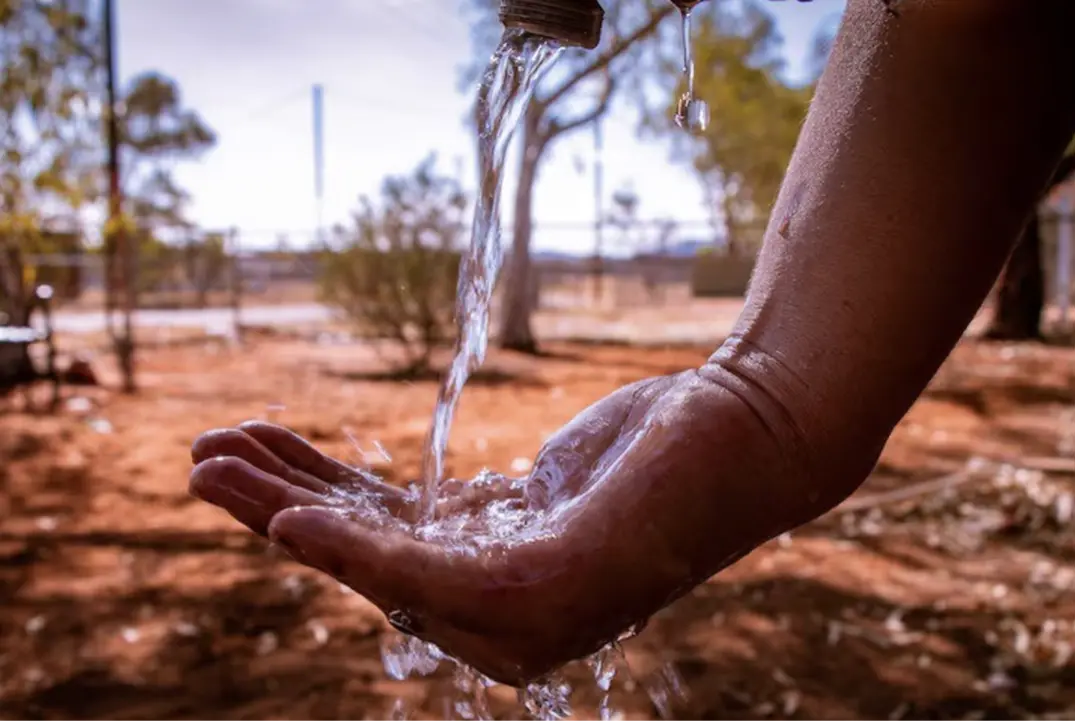
Remote First Nations communities are not guaranteed the water service standards most Australians take for granted. No single body is accountable for closing that gap: responsibility is fragmented across agencies, investment falls at least $2.2 billion short, and in some jurisdictions remote drinking water supplies are not regulated at all1. Even the national target meant to fix this, Closing the Gap 9B, cannot yet be measured2
Safe drinking water is a human right Australia has promised the United Nations. In 1,100+ remote First Nations communities, home to 150,000 people, that promise is not being kept.
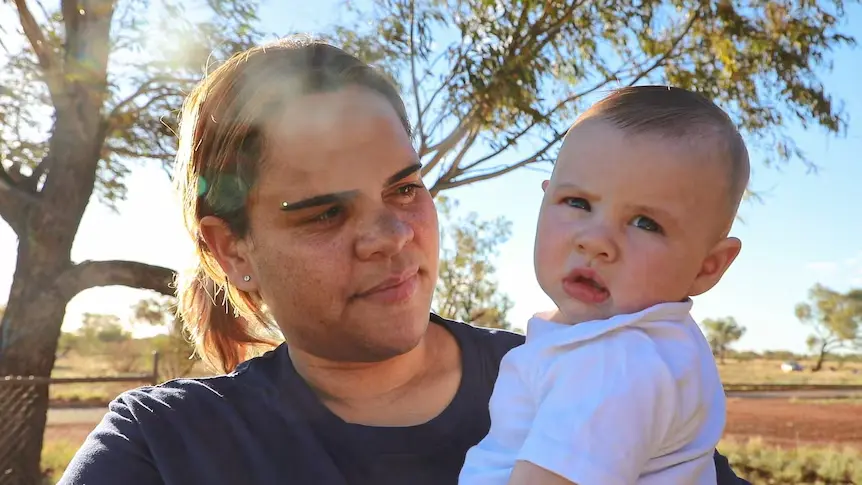
Warburton: a $3.4 million plant fixed the source. Broken plumbing still risks the taps.
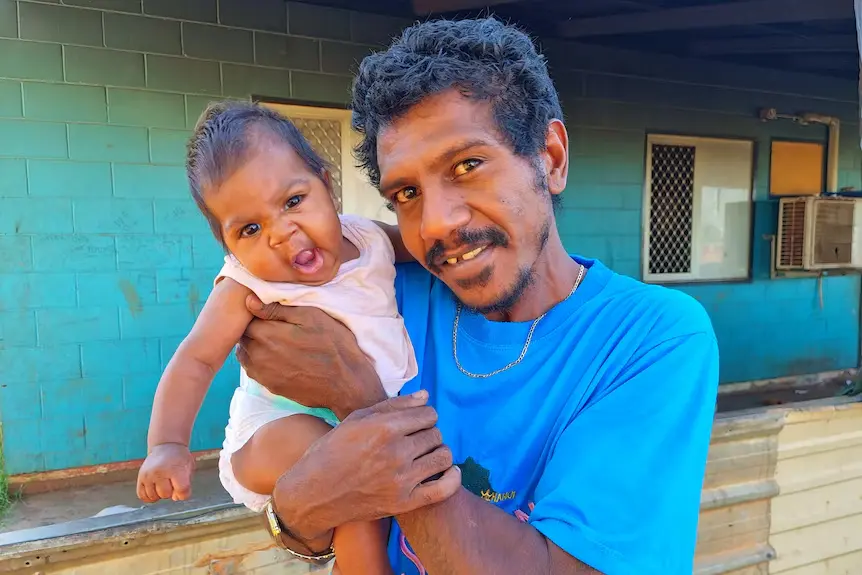
ABC News, 2022. Laramba: uranium near three times the guideline. In 2023 the courts ruled tenants have a right to safe drinking water.
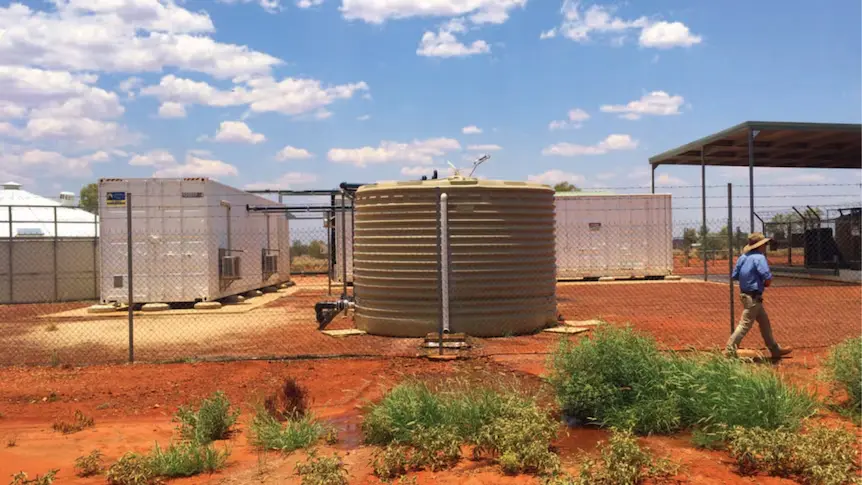
The WA Auditor General found remote communities exposed to E. coli and uranium, with routine testing missing in dozens of communities.
For more than nine years, working in one of the most complex regions in the world, we have been building the knowledge of what makes water services safe and sustainable. Everything we learned is ready to be adapted for First Nations and remote communities across Australia.
From Nigeria
9+ years of iterative research, built into a framework for safe and sustainable water solutions9.
The bridge
To be adapted to the context of each community in Australia.
For Australia
Staged delivery, beginning with the highest-risk communities.
We deliver end-to-end water solutions across all three project phases: pre-construction, construction, and post-construction8. Below is an example of the challenges at each phase for First Nations and remote communities in Australia, and how our approach can help solve them.
Understanding the community, researching its existing water sources and needs, and designing what fits. The decisions made here ensure the solution implemented delivers clean, safe drinking water sustainably.
Mapping and research. We learn from the lived experience of communities and the interrelated challenges they face, mapping every water source and need together, and co-designing the solution under the community’s own decision-making authority. The evidence this produces is community-level and community-owned: the community decides what is recorded, who holds it, and what is published
Funding runs in short cycles, so projects are planned for construction, not for decades of operation4
Predictive modelling. We plan for decades, not funding cycles. Our Predictive Iterative Sustainability Model rates a solution against 265 documented challenges8, 9 and shows funders what the whole life of the system requires, before money is committed. Its weightings come from Nigerian evidence, so it will be adapted to the Australian context and validated with Australian partners
Architectural design. Every design starts from the local evidence, never a standard drawing: existing sources are assessed and the hazards known in that place shape the treatment approach. Contaminants like uranium and arsenic, and the Australian Drinking Water Guidelines, are new ground for us, so treatment design will be done with Australian engineers and the health regulator
The build itself, and preparing the people who will own and run the system once the builders leave.
City-standard designs do not transfer to small, very remote communities4
Build to the approved design. We build to the community’s scale, not a city template. Most communities here already have pipes to houses, so the answer is usually improving and instrumenting the bore, treatment and network that exist. Where a new source is developed, its water is tested and the design adapts to what is found
Distance, harsh conditions, and transport costs make remote builds slower and more expensive4
Built to last, maintained locally. The build is a one-off cost, so the architectural design takes remoteness seriously and durability is engineered in from the start. A full-time local employee, the role our kiosk attendants hold in Nigeria, performs routine maintenance, supported by predictive maintenance from our post-construction tracking
Systems are handed over without trained operators or funded maintenance5
Water Committee and paid local operator. Before launch, a resident is employed and trained to run the system, a community body oversees it, and how upkeep will be funded will be agreed with the community and the provider responsible for the asset. No system is ever left without someone responsible for it
The longest phase: operating, monitoring, and maintaining the system for the rest of its life. This is where most water projects fail, and where our model does its deepest work.
Monitoring and tracking. Testing does not end at handover. Through our ongoing research we are piloting proxy testing: low-cost checks, matched to the risks of each water source type, that flag when water safety may be compromised and trigger a confirmatory laboratory test. Applied here, it would allow water quality to be tracked remotely and continuously, with laboratory testing used where it is needed most
Repairs are delayed and preventative maintenance is rare, with little expertise on site5
Predictive maintenance from live data. Because every system’s performance is tracked, failure can be predicted before it happens: a flow dropping, a pump drawing more power, a pattern that precedes a breakdown. The repair happens early, before the water stops. Our aim is to keep project reliability above 98%
Untrusted taps push families to bottled water and soft drinks4
16+ metrics, reported to the community. Trust is rebuilt with evidence residents can see. Every site is tracked for its whole life, including whether people actually drink the water, not just whether it passes, and results are reported on the community’s terms
Water Services Association of Australia (2022). Closing the Water for People and Communities Gap: summary report and key recommendations. Download ↓
Productivity Commission. Closing the Gap Annual Data Compilation Report (July 2026). Download ↓
Wyrwoll, P. R., Manero, A., Taylor, K. S., Rose, E. & Quentin Grafton, R. (2022). Measuring the gaps in drinking water quality and policy across regional and remote Australia. npj Clean Water 5:32. CC BY 4.0. Download ↓
Australian Academy of Technological Sciences and Engineering (2024). Closing the water gap: water, sanitation and hygiene for Aboriginal and Torres Strait Islander communities. Read the explainer ↗
Office of the Auditor General Western Australia (2021), audit findings on water services in remote Aboriginal communities, cited in Wyrwoll et al. (2022) and ABC News reporting, 3 June 2021.
AIATSIS (2020). Code of Ethics for Aboriginal and Torres Strait Islander Research. aiatsis.gov.au ↗
FairAction International, peer-reviewed publications and live system data. Research Publications and the Target 6.1 Map ↗
FairAction International. How we work: our delivery model across pre-construction, construction, and post-construction, step by step. fairaction.ngo/about/how-we-work
FairAction International. The Fairaction Model: the three-function cycle behind our work, Diagnose and design, Implement and learn, Strengthen and scale, built to close the gap between water that is installed and water that keeps working. fairaction.ngo/about/the-fairaction-model
RESEARCH, METHODOLOGY AND THE SUSTAINABILITY FRAMEWORK
FairAction International
FRAMEWORK AND SYSTEMS, POWERED AND LICENSED BY
Clean Water for All Pty Ltd
TARGET 6.1 MAP SYSTEM ENGINEERING
Essential Need Projects Limited
01 · Pre-construction
Communities mapped, needs understood
02 · Construction
Built with the community
03 · Post-construction
Safe, sustainable water, monitored in real time
Funding is required to turn red status to blue.
Delayed support means communities wait longer for safe water.
Our goal in Australia
Map the communities that need help
Co-design and implement tailored solutions with them
Safe, sustainable drinking water for every community
We would love to learn about the challenges your community faces and discuss how we can work together.
Support our work to bring safe, sustainable drinking water to First Nations and remote communities across Australia.
Work with us to adapt, validate, and strengthen our approach for Australian conditions.
Partner with us to design and build systems for safe and sustainable water services.
Safe drinking water for every community is not charity. It is closing a gap that should never have existed. That is fair action.

