
Water, Women, and the Kind of Empathy That Changes Design
Written by Sam Adeoti, CEO at Fairaction
On 22 March, the world marked World Water Day 2026 under the theme Water and Gender. Its central phrase was Where water flows, equality grows.
This year’s framing matters because safe drinking water and sanitation are not only essential services. They are fundamental human rights and critical enablers of gender equality. Water access shapes health, safety, education, livelihoods, dignity, and the structure of daily life.
Why this theme matters
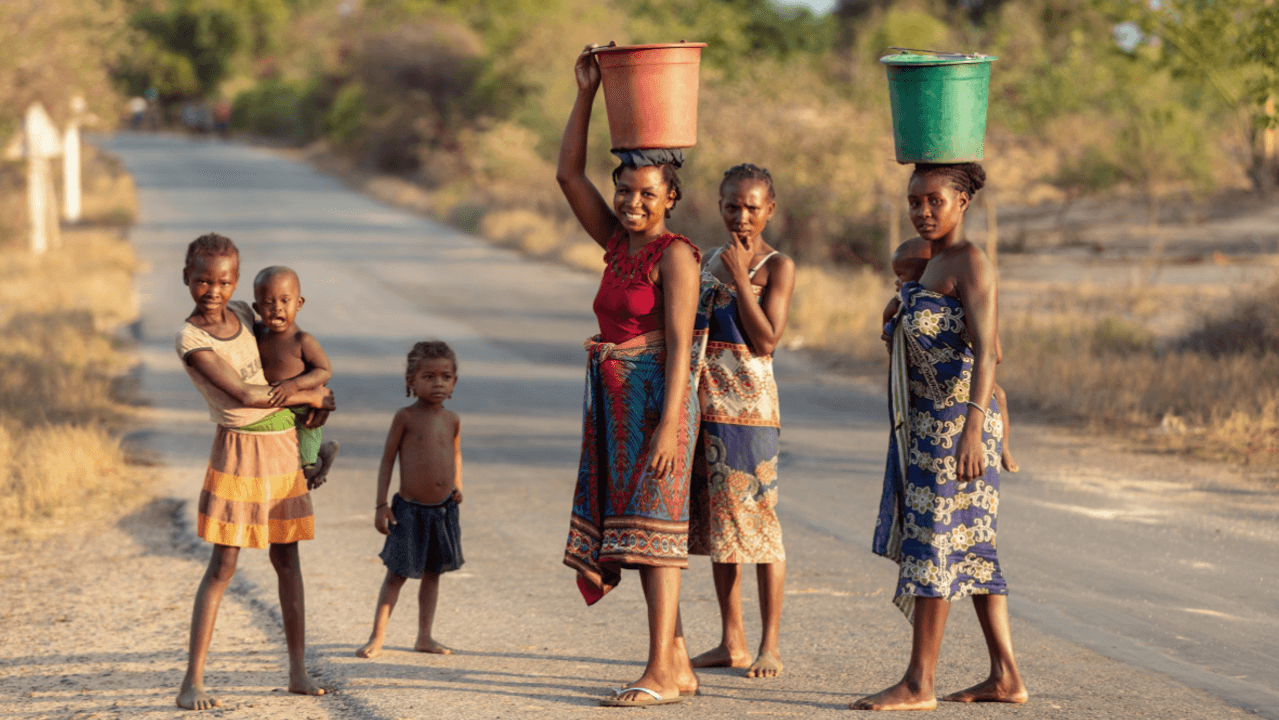
This burden is part of the lived experience of many women and girls. When water is distant, unsafe, or unreliable, they are often the ones who absorb the cost through time lost to collection, disrupted education or livelihoods, and greater exposure to the risks that come with poor sanitation and insecure access.
Global progress has been real, but far too slow. Millions have gained access to safer water and sanitation in recent years, yet billions still lack safely managed drinking water, sanitation, and hygiene. In many rural households without reliable access, women remain responsible for collecting water. The result is lost time, physical strain, reduced opportunity, and a form of inequality that has been normalised for far too long.
That is why Fairaction International places women near the centre of its solution, because their inclusion strengthens design, improves relevance, and supports the long-term sustainability of water systems.
What my visit to Arulogun town revealed
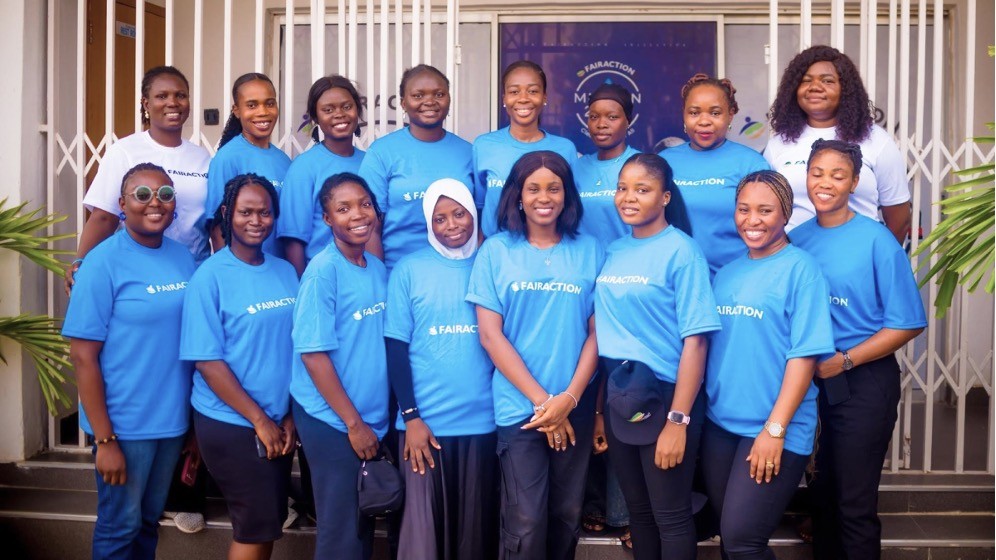
This year’s theme became much more real to me when I travelled with the Fairaction Nigeria team to Arulogun Town, a central community serving 143 surrounding villages.
Leaders from across these villages came together to learn and take that knowledge back to their communities. But the most powerful part of the day was listening.
We sat with mothers and older women who have carried the burden of water poverty for decades. Women who walk long distances for water. Women who organise households around unreliable access. Women who live daily with problems that many systems have failed to solve.
In Arulogun, water and gender did not feel like a policy concept. It felt immediate, human, and impossible to ignore.
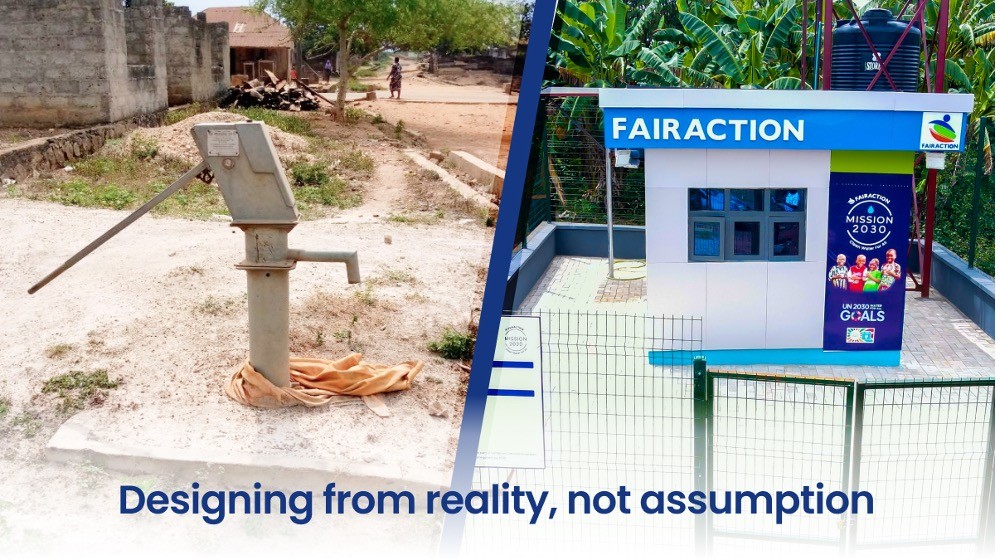
It also reinforced something deeper for me. Empathy is not a soft idea sitting outside infrastructure design. It is part of what makes good design possible. If we do not understand how people actually live, who carries the burden, how failure is experienced, and what communities have already endured, then design becomes an act of assumption. We end up imposing technical solutions because they are standard, convenient, or successful elsewhere, rather than shaping infrastructure around actual need, lived experience, culture, and the local conditions that determine whether a system will be used and sustained.
What communities like Arulogun are really asking for
These communities are not asking for another temporary intervention. They are asking for water systems that continue to work.
That distinction is critical. Too many water projects are judged by installation rather than performance over time. Infrastructure gets built, counted, and celebrated, but long-term functionality is treated as secondary. Communities are then left with breakdowns, unmet expectations, and a return to unsafe or difficult alternatives.
In places such as Arulogun, sustainability is not a bonus feature. It is the central issue.
How Fairaction works
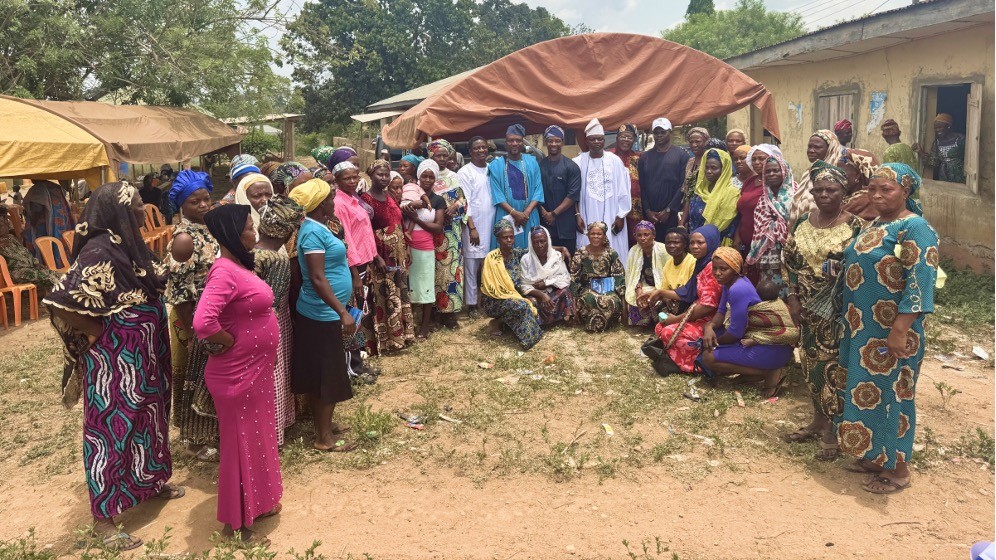
This is the problem Fairaction International exists to address.
Fairaction International’s approach is not limited to building infrastructure. It begins with mapping, research, and community-specific assessment so the solution fits the actual conditions of the place. It then moves through design, implementation, local engagement, and ongoing monitoring so that projects are not only delivered, but supported to remain functional.
In practical terms, Fairaction International’s work is built around a simple principle: water solutions must be context-specific, measurable, and sustainable.
A central part of that process is mapping. Our mapping programme captures 296 to 436 data points per community, depending on the on-ground reality. That depth of assessment allows us to understand not only whether a community lacks water access, but the specific conditions shaping that lack of access, including infrastructure history, user realities, risk factors, sustainability constraints, and the wider context that determines whether a project is likely to work over time.
That is what gives the model analytical depth. It allows design to respond to reality rather than assumption. It also helps explain why Fairaction International’s work is better positioned to support water systems that remain functional beyond the first moment of delivery. A serious response to water poverty cannot begin and end with construction. It has to ask whether the system fits the place, whether the community can use and sustain it, and whether the design has taken local realities seriously enough to endure.
Why this work matters beyond water
This is where the discussion becomes especially relevant for donors, philanthropists, CSR leaders, and ESG partners. Supporting sustainable water access is not simply an act of generosity. It is one of the most effective ways to create lasting impact across multiple dimensions of development.
When support is directed toward sustainable water systems, the returns extend well beyond water itself. It reduces the burden on women and girls, improves health and hygiene, strengthens school participation, supports dignity and safety, and builds community resilience. It also helps protect household livelihoods, eases pressures that deepen poverty, and strengthens the foundations of food security in vulnerable communities.
That is why this work sits so close to the core of the Sustainable Development Goals. It contributes directly to SDG 6 on clean water and sanitation, while also advancing SDG 1 on no poverty, SDG 2 on zero hunger, SDG 5 on gender equality, SDG 3 on good health and well-being, SDG 4 on quality education, and SDG 10 on reduced inequalities. When water systems are designed to endure, the value of the investment does not remain confined to one sector. It carries across daily life, local economies, and long-term community well-being.
For CSR and ESG commitments in particular, this creates a more credible form of impact. It connects social value with long-term responsibility, measurable need, and practical accountability. The strongest partnerships are not those that simply fund visible infrastructure. They are those that help create durable public value in places where lasting access has been hardest to achieve.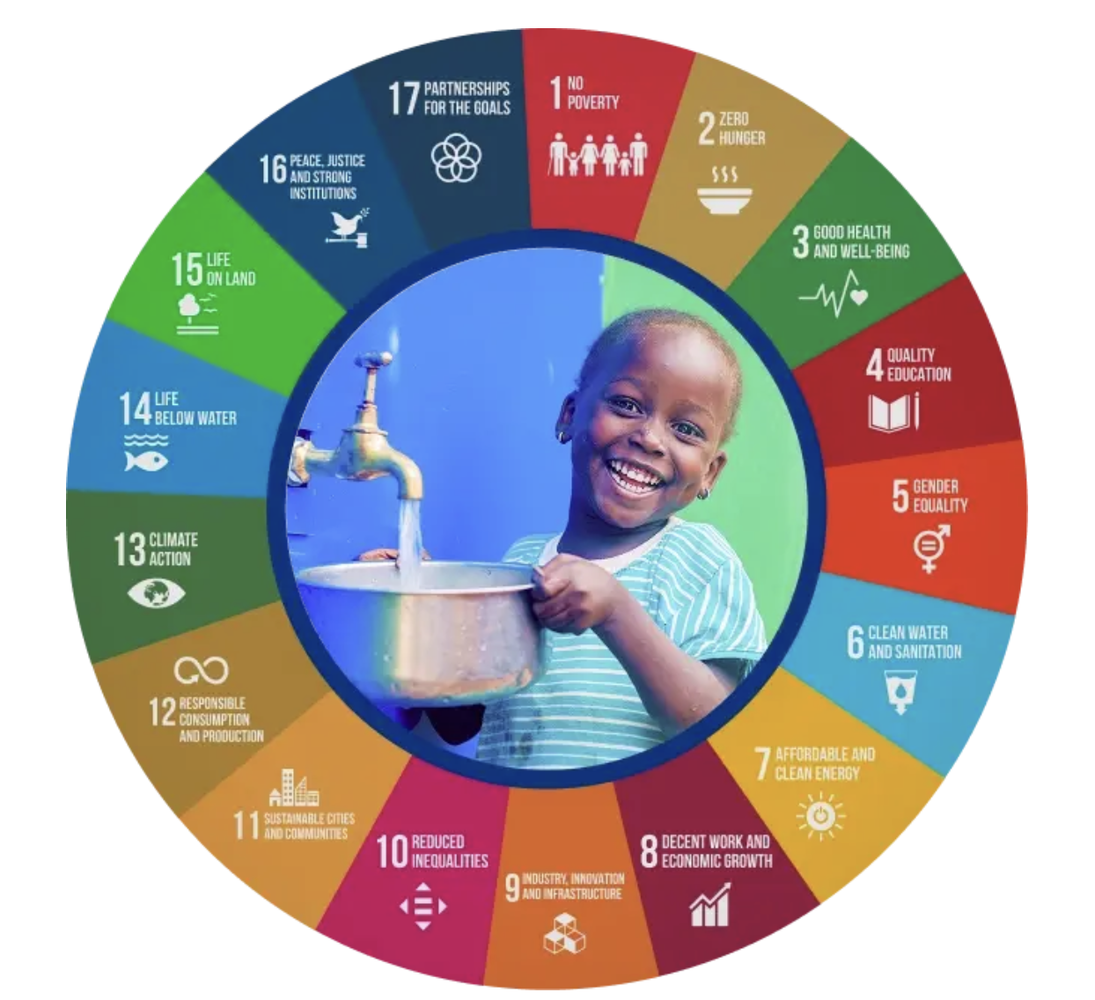
Why Arulogun matters now
Arulogun is not an isolated case. It is a central community linked to 143 surrounding villages.
That makes the stakes higher.
Work done well in such a context can create meaningful and lasting impact across a wider region. Work done poorly will simply reproduce the familiar cycle of infrastructure delivery without sustainable results. This is why Fairaction International is focusing on the most affected regions and why support at this stage matters. Communities facing deep water poverty do not need more visibility without durability. They need systems designed to endure.
Why partnership matters now
At Fairaction International, we are continuing to focus on sustainable impact in the communities most affected by water poverty. We are looking for partners who understand that lasting water access requires more than goodwill. It requires research, context-specific planning, responsible implementation, and a commitment to sustainability strong enough to remain in view after the launch moment has passed.
Learn more and stay connected
Learn how Fairaction International works: https://fairaction.ngo/about/how-we-work
Watch my explanation of how Fairaction International works: https://youtu.be/s5Xx8iFeC2E
Explore partnership, CSR, ESG, donor, and philanthropic support: https://fairaction.ngo/how-to-help/become-partner-supporter
Join the Movement
If every child deserves a classroom, every classroom deserves clean water.
No child should walk miles for water before learning the alphabet.
No girl should drop out because her school cannot manage her dignity.
No community should be left behind by dry taps and broken toilets.
Together, we can change this.
💧 Join the Water and Education Alliance.
You can donate to Fairaction today to bring clean water, dignity, and hope to classrooms across Africa.
👉 Contact Us to Collaborate.